Trending

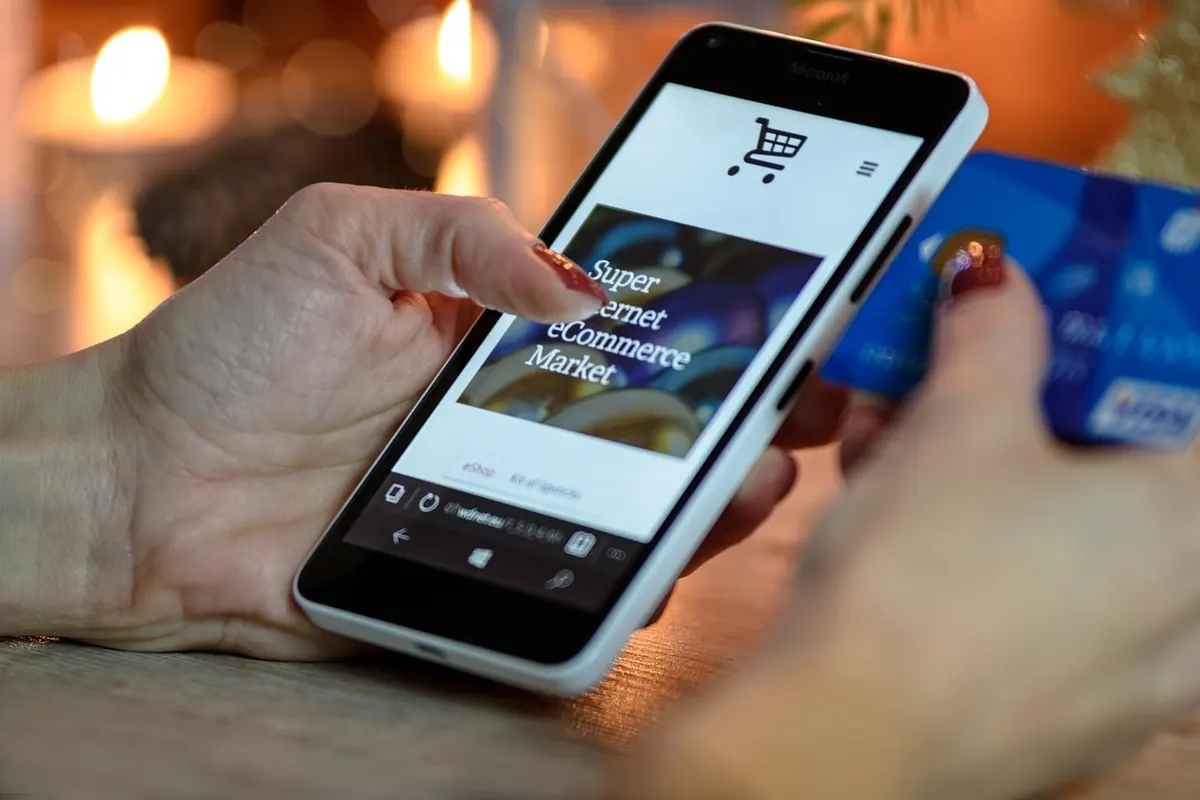
The first great deal of the holiday season often arrives in an inbox, a social feed, or a text message. It promises a deep discount, a limited stock warning, and a countdown timer. Sometimes it is real. Sometimes it is a carefully built trap that looks almost identical to a store you trust. The difference usually comes down to a few minutes of checking before you type in a card number.
Holiday shopping pressure works in a scammer’s favor. You are buying for other people, comparing prices across tabs, and racing to catch a sale before it ends. That is exactly when a fake shop, a parcel phishing text, or a payment request that cannot be reversed seems plausible. A calm, repeatable routine protects you better than trying to spot every new trick.
Scammers follow attention and money. During Black Friday, Cyber Monday, and the weeks around major holidays, both are moving quickly. Shoppers are more willing to try unfamiliar stores if the price is low. Delivery notifications are expected, so a fake “your package is held” message does not feel strange. Gift cards, charity appeals, and last-minute e-cards give attackers familiar themes to copy.
The common thread is urgency. Real retailers create deadlines too, but legitimate ones do not ask you to pay by unusual methods, hide their contact details, or pressure you through direct messages. Treat any checkout that makes you feel rushed as a reason to slow down.
A polished homepage proves very little. Scam stores can copy product photos, logos, and even reviews from real sites. Look for details that are harder to fake: a working contact page, a real business address, a return policy that explains who pays return shipping, and a customer service email that matches the site’s domain. If the only way to reach the seller is a form or a social media direct message, be cautious.
Check the domain name carefully. Small swaps are common: an extra hyphen, a different ending, or a misspelled brand name. Instead of clicking an ad, type the retailer’s known address yourself or use its official app. If you find a shop through a social ad, search for the brand name plus “scam” or “reviews” before buying. You may not find a perfect answer, but a pattern of complaints is a strong signal.
Not every holiday scam needs a fake storefront. Some of the most effective ones borrow the language of brands you already use.
A text or email claims a package is waiting, an address is incomplete, or a small fee is required. The link leads to a page that asks for card details, login credentials, or personal information. If you are expecting a delivery, open the retailer’s or carrier’s official app and check the tracking number there. Do not use the link in the message. Legitimate carriers do not usually ask for payment through a random text link.
Gift cards are popular because they are easy to buy and hard to trace. Anyone who asks you to pay a bill, a fee, or a “customs charge” with gift cards is almost certainly a scammer. Charity appeals also increase during the holidays. Donate by typing the charity’s official address into your browser, not by clicking a link in an emotional email or social post. Check that the organization is registered if that matters in your country.
A deal that requires secrecy or urgency is not a deal. It is a pressure tactic.
How you pay matters as much as where you pay. Credit cards generally offer stronger dispute rights than debit cards, bank transfers, or cryptocurrency. Many card issuers also let you create virtual card numbers for online purchases. If a merchant is unfamiliar, use one of those rather than your main card. Keep the confirmation email and order number in a folder until the item arrives and you are satisfied.
If a seller insists on moving the conversation off the platform, treat that as a warning. Marketplaces and payment services have rules for a reason. When you leave them, you often leave your protections behind.
Use a unique password for every store account. If one shop is breached, reused passwords let attackers try the same login on your email, bank, or social accounts. A password manager makes this practical. Turn on two-factor authentication for your email, payment accounts, and any retailer that stores your address and card details.
Contact your bank or card issuer as soon as you notice an unauthorized charge. Ask them to freeze the card and explain the dispute process. Change the password for any affected account, then change it anywhere you reused it. Enable two-factor authentication if it was not already on. Keep screenshots, emails, order numbers, and chat logs; they help with disputes and reports.
Report the seller to the platform where you found them and to your local consumer protection body if one exists. If you shared identity documents, ask your bank or a qualified financial professional about further steps such as a fraud alert or credit freeze. For legal or financial advice specific to your situation, consult a qualified professional. Do not send more money to “unlock” a refund or release a package. That is a common follow-up scam.
Before you pay, pause for ten seconds. Is the seller’s domain spelled correctly? Can you find a real address and return policy? Are you paying with a method that can be disputed? Did you arrive here by typing the address or through a link you trust? If the answer to any of these makes you uneasy, close the tab. The best holiday deal is the one that does not cost you a week of cleanup, a frozen card, or a compromised account.
Photo: AS_Photography / Pixabay